Pioneering the Future: Advancements in Aluminum Castings for Modern Industries
The landscape of aluminum castings is evolving, driven by the need for efficiency and sustainability. Industries are increasingly recognizing the advantages of aluminum's lightweight and corrosion-resistant properties. Cutting-edge approaches, such as automation and AI, are revolutionizing production workflows. Nevertheless, considerable obstacles persist. As the demand for sustainable solutions grows, the future of aluminum casting poses intriguing questions about its role in modern manufacturing. What lies ahead for this essential material?
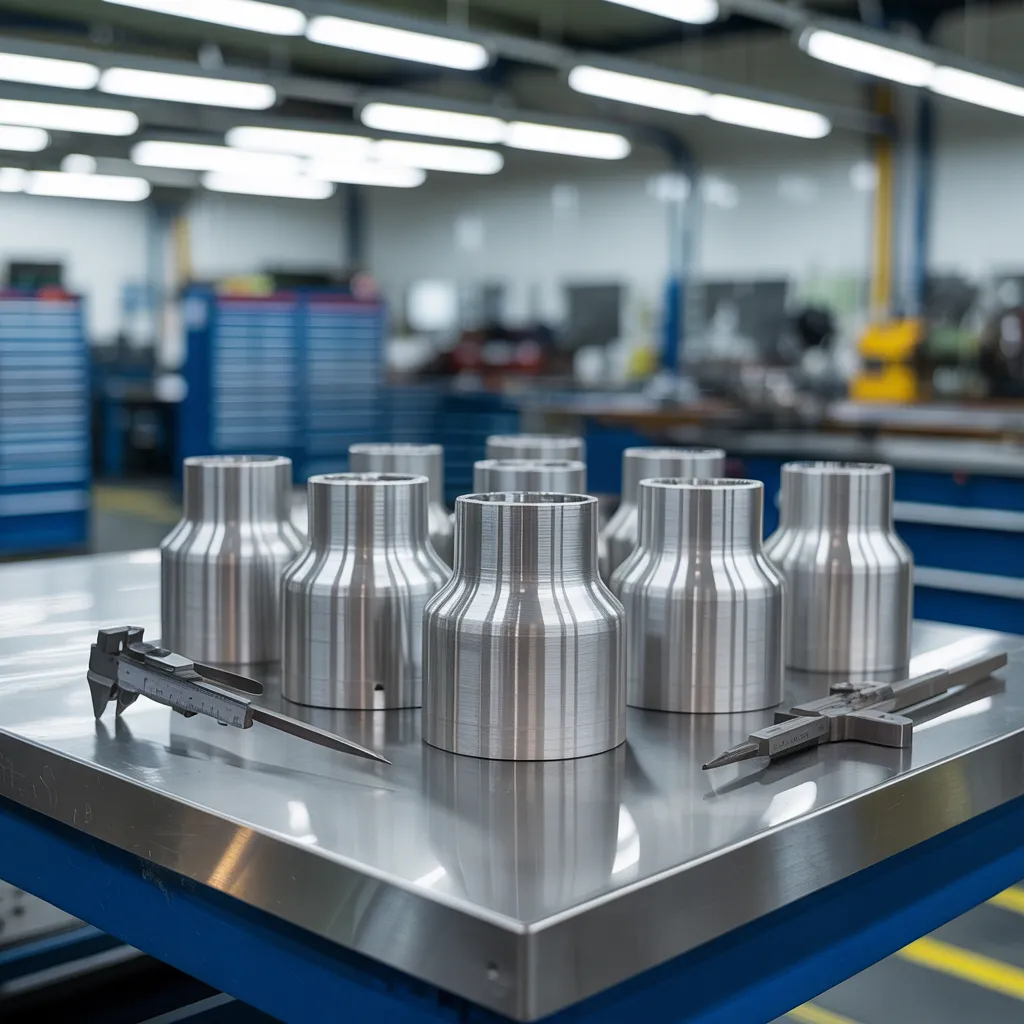
The Advancement of Aluminum Castings in Today's Manufacturing Industry
With industries continually searching for efficient and lightweight materials, aluminum castings have emerged as a pivotal solution in today's manufacturing landscape. Their remarkable versatility and durability make them well-suited for numerous applications across industries like the automotive, aerospace, and consumer goods sectors. The low weight characteristics of aluminum promote improved fuel economy and lower emissions, particularly in transportation. In addition, aluminum castings deliver superior resistance to corrosion, strengthening the reliability of components in harsh environments.
The ability to create intricate shapes with precision greatly enhances their appeal, allowing manufacturers to design complex components that satisfy precise performance standards. Moreover, the reusability of aluminum encourages environmentally responsible processes, conforming to worldwide sustainability objectives. Therefore, the popularity of aluminum castings is continuously increasing, establishing them as a cornerstone of innovation in manufacturing processes. This development demonstrates a greater resolve to utilizing resources that improve efficiency while reducing environmental effects.
Cutting-Edge Techniques Boosting Efficiency in Aluminum Casting
Revolutionary methods are transforming aluminum casting processes, substantially enhancing efficiency and precision. Modern innovations, such as computer-aided design (CAD) and simulation tools, equip fabricators to enhance mold designs and predict potential defects ahead of manufacturing. This preventative approach minimizes waste and eliminates unnecessary revisions.
The implementation of automated systems further streamlines operations, enabling quicker cycle times and uniform quality. Techniques like die casting and sand casting have evolved, integrating real-time monitoring systems that track temperature and pressure, guaranteeing optimal conditions during the entire process.
Additionally, the integration of lightweight materials and state-of-the-art cooling methods increases solidification speeds, elevating production rates. These advancements not only increase overall output but also elevate the geometric accuracy of produced components.
Advancing Sustainability With Aluminum Castings
As the aluminum casting industry has achieved significant advances in efficiency, improving sustainability has emerged as a critical priority. The increasing demand for environmentally friendly practices has prompted manufacturers to adopt recycled aluminum as a primary material. Using recycled aluminum not only decreases energy usage but also limits waste, significantly reducing the carbon footprint linked to manufacturing.
Additionally, breakthroughs in manufacturing techniques, such as sand casting and die casting, have optimized material utilization, greatly advancing eco-friendly practices. Such advancements ensure that minimal material is wasted during the production process, supporting a circular economy. Furthermore, eco-friendly coatings and lubricants are being introduced to reduce harmful emissions and extend the service life of casting products.
As the sector keeps advancing, the adoption of sustainable practices in aluminum casting is anticipated to serve a critical function in meeting regulatory standards and satisfying consumer demand for more sustainable goods. This dedication to eco-conscious practices places aluminum castings as a compelling choice for modern industries.
How Are Aluminum Castings Applied in Aerospace and Automotive?
The applications of aluminum castings in the aerospace and automotive industries highlight the versatility and performance benefits of this material. Within the aerospace industry, aluminum castings play a vital role in the fabrication of essential components like engine housings, load-bearing frames, and mounting brackets. Their lightweight nature contributes to improved fuel efficiency and overall performance in aircraft. Furthermore, the corrosion-resistant properties of aluminum extend the lifespan of these components in challenging environments.
Within the automotive industry, aluminum castings are widely used in transmission cases, engine blocks, and suspension parts. These castings not only reduce vehicle weight but also promote improved fuel efficiency and reduced emissions. Furthermore, the capacity to produce intricate shapes and configurations allows for innovative engineering solutions, enhancing both safety and performance. Together, these uses highlight aluminum's significance as an essential material in advancing technology and sustainability in both industries.
How Are Advanced Technologies Changing Aluminum Casting?
How are cutting-edge technologies redefining the world of aluminum casting? Advancements like 3D printing, computer-aided design (CAD), and artificial intelligence (AI) are fundamentally changing the field. 3D printing facilitates rapid prototyping, empowering designers to produce intricate geometries that were once impossible to achieve. This innovation significantly reduces material waste while greatly speeding up the design process.
Moreover, CAD software enhances precision in mold design, guaranteeing that castings adhere to strict specifications. AI algorithms optimize production schedules and reduce defects by predicting potential issues before they arise. In addition, progress in alloy engineering, including high-strength aluminum alloys, enhances the performance of cast parts, enabling them to meet the requirements of rigorous applications.
Collectively, these technologies increase efficiency, cut costs, and advance quality in aluminum casting, enabling the industry to address the changing requirements of sectors like the aerospace and automotive industries. As these innovations progress, they promise to reveal new opportunities for innovation and manufacturing.
Overcoming Challenges in Aluminum Casting Production
Across the landscape of aluminum casting production, several challenges persist that demand targeted approaches. Standards for quality assurance, innovations in casting methods, and material supply difficulties significantly influence productivity and output consistency. Tackling these challenges is essential for manufacturers aiming to enhance their business productivity and fulfill market expectations.
Quality Control Measures
Robust quality control practices are critical for addressing the fundamental difficulties in aluminum casting manufacturing. To achieve exceptional quality standards, manufacturers implement rigorous inspection protocols throughout the casting process. Techniques such as X-ray inspection, ultrasonic testing, and visual examinations help identify defects like porosity and inclusions early. Statistical process control (copyright) is employed to monitor production variables, allowing for timely adjustments that minimize variations. Moreover, conformance to industry guidelines and certifications improves reliability and product consistency. Training personnel in best practices fosters a culture of quality, reinforcing the importance of each step in the production cycle. By integrating these measures, manufacturers can markedly reduce waste, improve product performance, and meet the stringent demands of modern industries.
Innovative Casting Technologies
Revolutionizing the aluminum casting industry, cutting-edge technologies tackle the persistent difficulties that manufacturers deal with. Technologies like 3D printing and digital simulation have been streamlining the design and prototyping processes, facilitating faster changes and minimized lead times. Automated solutions boost exactness and reliability, limiting operator error and elevating overall product quality. Additionally, breakthroughs in alloy research facilitate the production of strong yet lightweight castings that satisfy varied industrial requirements. Methods such as vacuum casting and pressure die casting also enhance material flow while decreasing defects. These technologies not only enhance efficiency but also promote sustainability by lowering material waste and energy use. As manufacturers adopt these innovations, the outlook for aluminum casting appears bright, with enhanced flexibility and superior performance in diverse applications.
Material Sourcing Challenges
Cutting-edge innovations in aluminum casting have significantly enhanced production efficiency, yet material sourcing remains a persistent challenge for manufacturers. The rising demand for premium aluminum alloys often leads to distribution interruptions, driven by unpredictable material pricing and global political influences. Manufacturers encounter challenges in securing consistent supply partners, which can affect manufacturing schedules and expenses. Additionally, the increasing focus on sustainability demands the procurement of recycled components, complicating procurement processes. To tackle these issues, companies are exploring innovative partnerships, strengthening regional sourcing networks, and embracing modern resource tracking systems. By promoting strategic partnerships and leveraging technology, manufacturers seek to minimize procurement vulnerabilities, ensuring a reliable stream of materials necessary for addressing the evolving needs of today's industrial landscape.
Future Trends Shaping the Aluminum Casting Industry
The aluminum casting industry is on the verge of major change driven by cutting-edge manufacturing methods, environmentally conscious material options, and advanced automation incorporation. These advancements stand not only to boost operational performance but also to reduce environmental impact. As companies adapt to these innovations, the aluminum casting sector is poised for a dynamic shift.
Innovative Manufacturing Strategies
Advanced technologies are reshaping the landscape of aluminum casting, creating opportunities for improved precision and efficiency. Cutting-edge manufacturing methods, such as computer numerical control (CNC) machining and additive manufacturing, are gaining significant traction. Such techniques enable intricate designs and rapid prototyping, substantially decreasing production lead times. Furthermore, the incorporation of robotics and automation streamlines production processes, minimizing human error and optimizing resource use. Finite element analysis (FEA) strengthens the design process, verifying that components fulfill strict performance requirements before production begins. As these innovations continue to evolve, they stand to fundamentally reshape aluminum casting manufacturing, enabling manufacturers to produce lighter, stronger, and more complex components that address the needs of modern uses across diverse sectors.
Green Material Solutions
As advancements in manufacturing methods transform the aluminum casting industry, a growing emphasis on sustainability is emerging as a pivotal trend. Businesses are progressively adopting environmentally responsible methods, such as utilizing recycled aluminum, which greatly reduces energy consumption and waste. This change not only decreases carbon emissions but also corresponds with international sustainability targets. Moreover, progress in bio-based binding agents and coatings is being examined to limit harmful byproducts during the casting procedure. Organizations valuable resource are utilizing life cycle analyses to assess the environmental consequences of their materials, confirming that environmentally responsible selections are upheld from conception to production. As public interest in environmentally friendly products increases, the aluminum casting field is ready to integrate these sustainable material advancements, driving innovation and responsible manufacturing practices.
Smart Automation Integration
Embedding smart automation into the aluminum casting process redefines efficiency and precision. Cutting-edge technologies, including robotics and artificial intelligence, enhance operations by refining production schedules and minimizing human error. Automated systems track parameters in real-time, guaranteeing consistent quality and reducing waste. These developments empower manufacturers to address market demands promptly, boosting flexibility in production lines. Additionally, machine learning algorithms analyze historical data to predict maintenance needs, thereby reducing downtime and operational costs. As smart automation continues to advance, it empowers the aluminum casting industry to achieve higher standards of productivity and sustainability. This progression enables companies to maintain competitiveness in a swiftly shifting market, ultimately unlocking new possibilities for growth and innovation.
Popular Questions We Receive
What Cost Factors Are Involved in Aluminum Casting?
Pricing elements associated with the aluminum casting industry encompass raw material prices, labor expenses, energy usage, the cost of tooling, and complex design requirements. Furthermore, economies of scale and production volume play a major role in overall pricing and profitability.
How Does Aluminum Casting Measure Up to Other Materials?
Aluminum casting offers superiority over alternative materials, including lighter weight, corrosion resistance, and improved thermal conductivity. Nevertheless, it may be more costly and less strong than options such as steel or specific composites in particular use cases.
What Safety Protocols Are Essential in Aluminum Casting?
Safety protocols in aluminum casting include appropriate ventilation, individual protective gear, regular equipment maintenance, and adherence to industry standards. Moreover, establishing training programs for workers improves awareness of potential hazards and promotes a safer working environment.
Can Aluminum Castings Be Recycled Effectively?
Aluminum castings can be effectively recycled, as the material preserves its qualities through the recycling cycle. This establishes recycling as a viable sustainable solution, minimizing waste and saving energy in contrast to creating new aluminum from virgin raw materials.
Which Certifications Matter for Aluminum Casting Manufacturers?
Important certifications for aluminum casting manufacturers consist of ISO 9001 addressing quality management, ISO 14001 addressing environmental management, and AS9100 covering aerospace standards. Such certifications confirm conformity to industry benchmarks and advance product reliability and environmental responsibility.